
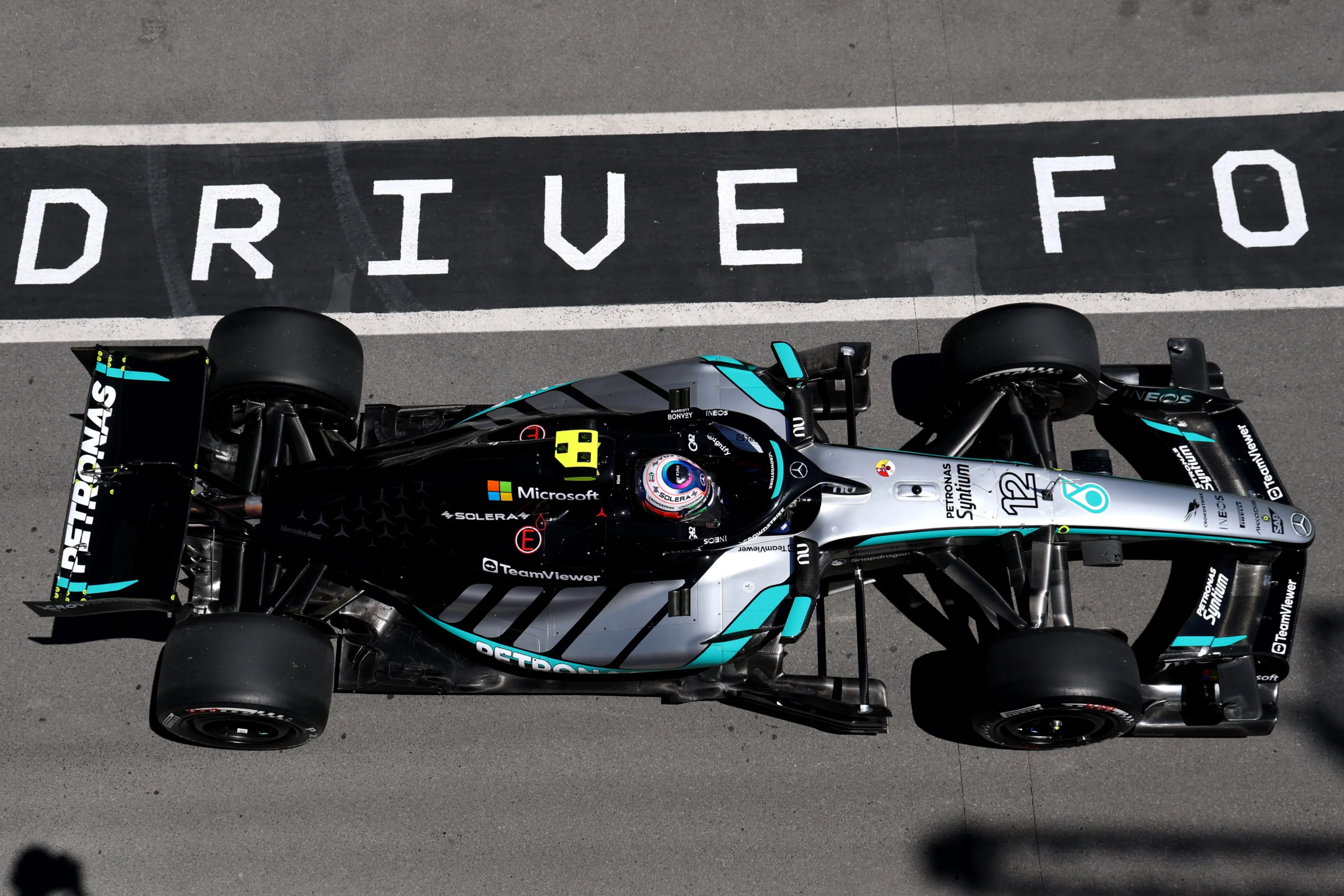
The FIA has tailored the regulations for the 2026 Monaco Grand Prix to the Principality’s narrow layout and the next-generation cars. Active aerodynamics will be disabled for the entire lap, a new energy deployment setting called "Rev1" will limit MGU-K output at specific speeds, and from 1 June compression ratio checks will be carried out at 130C in addition to room temperature.
These adjustments are intended to address Monaco’s familiar split personality: a spectacular qualifying session followed by a processional race. The governing body hopes to prioritise safety and create more opportunities to race without raising straight-line speeds in such tight confines.
Active aerodynamics will not be permitted anywhere around the lap in either qualifying or the race. As a result, front and rear wing flaps remain in their high-downforce positions throughout, and drivers cannot activate straight mode on any part of the circuit.
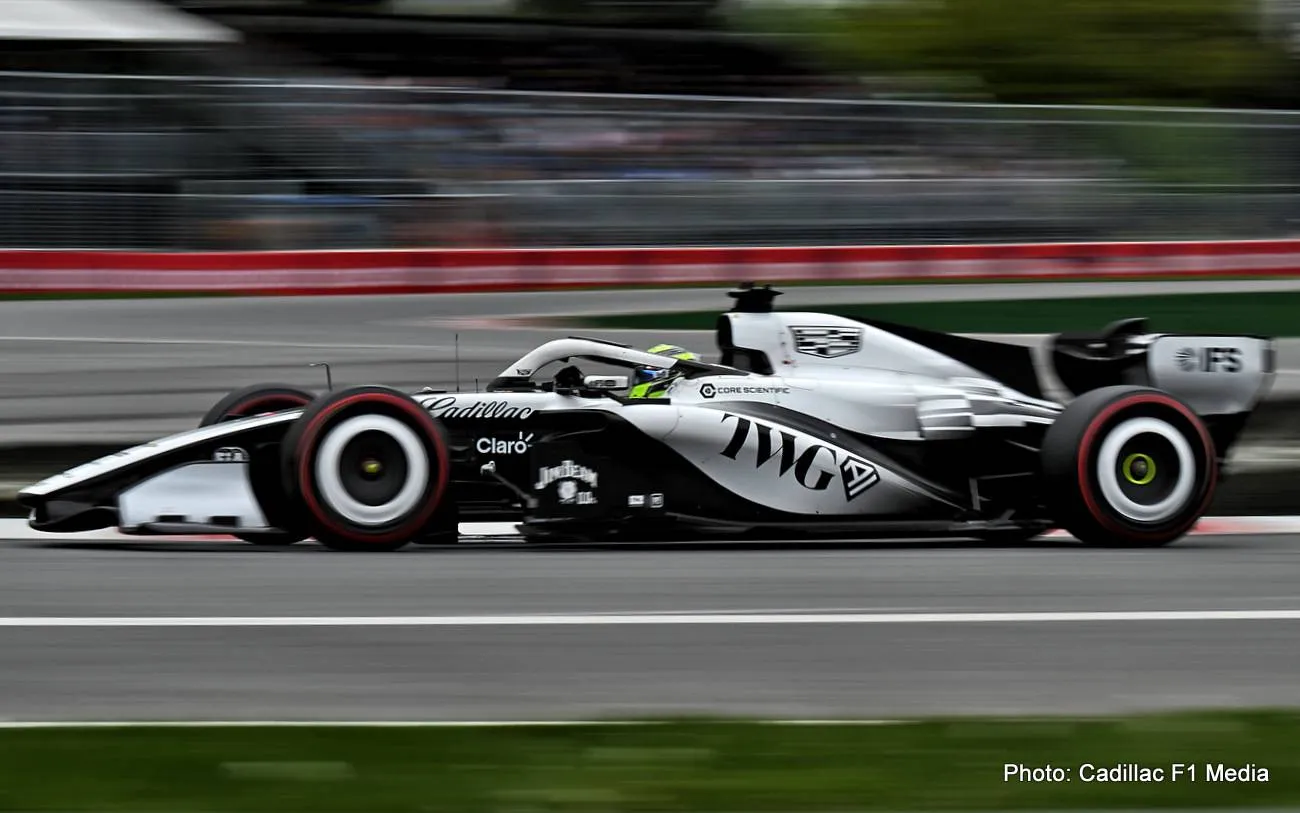
Typically, the FIA authorises straight mode only on sections where cars have sufficient grip and stability even with higher fuel loads and tyre wear, so that drivers can attack or defend. In Monaco, using it on the pit straight would not meaningfully increase overtaking chances and would raise the risk under braking due to higher top speeds, hence the blanket ban.
The event also introduces an energy deployment mapping dubbed "Rev1" to adjust MGU-K delivery at lower speeds than usual. In a standard configuration, the electric motor can supply 350 kW up to 290 km/h before ramping down to 250 kW at 310 km/h and to 0 kW by 345 km/h. For Monaco, it will deliver 350 kW at 200 km/h, reduce to 100 kW at 270 km/h and reach 0 kW at 300 km/h.
Derating earlier should cap top speed and shift emphasis to traction and braking, elements that define Monte Carlo. Given the circuit’s many slow corners and heavy braking zones, drivers are not expected to rely on lift-and-coast to recharge, and overtake mode could prove more decisive than at other venues on the few available straights.
A separate rule change takes effect from 1 June: the FIA will measure engine compression ratios at high temperature (130C) in addition to room temperature. The move follows debate around Mercedes’ power unit, which was said to be capable of reaching a compression ratio of 18:1 at elevated temperatures.
Toto Wolff has said the amendment would have little impact on the team’s competitiveness and added that the German outfit supports the regulatory adjustments. Any effect on Mercedes-powered cars may be hard to read this weekend because the internal combustion engine’s influence at Monaco is limited.
Taken together, these measures could make the Monaco Grand Prix a more intriguing technical contest and tighten the gap among the frontrunners. With active aero disabled and energy deployment curtailed at lower speeds, track position and mechanical grip will be paramount.
---
*Originally published on [Newsformula One](https://newsformula.one/article/fia-alters-monaco-gp-aero-off-rev1-curbs-mgu-k-new-ice-test). Visit for full coverage.*