Hankook is working to head off a tyre row before the World Rally Championship reaches Greece, with the sole supplier testing a revised specification after durability concerns surfaced at Rally Portugal.
The EKO Acropolis Rally has moved from its traditional September slot into June, and with it comes fierce heat and some of the most punishing, rock-strewn stages on the calendar. Hankook, in its second season as the championship's exclusive tyre maker, knows the event has a history of biting.
"We saw last year how challenging this event is," said Hankook's Steven Cho. "It's much hotter, the stages are much hotter."
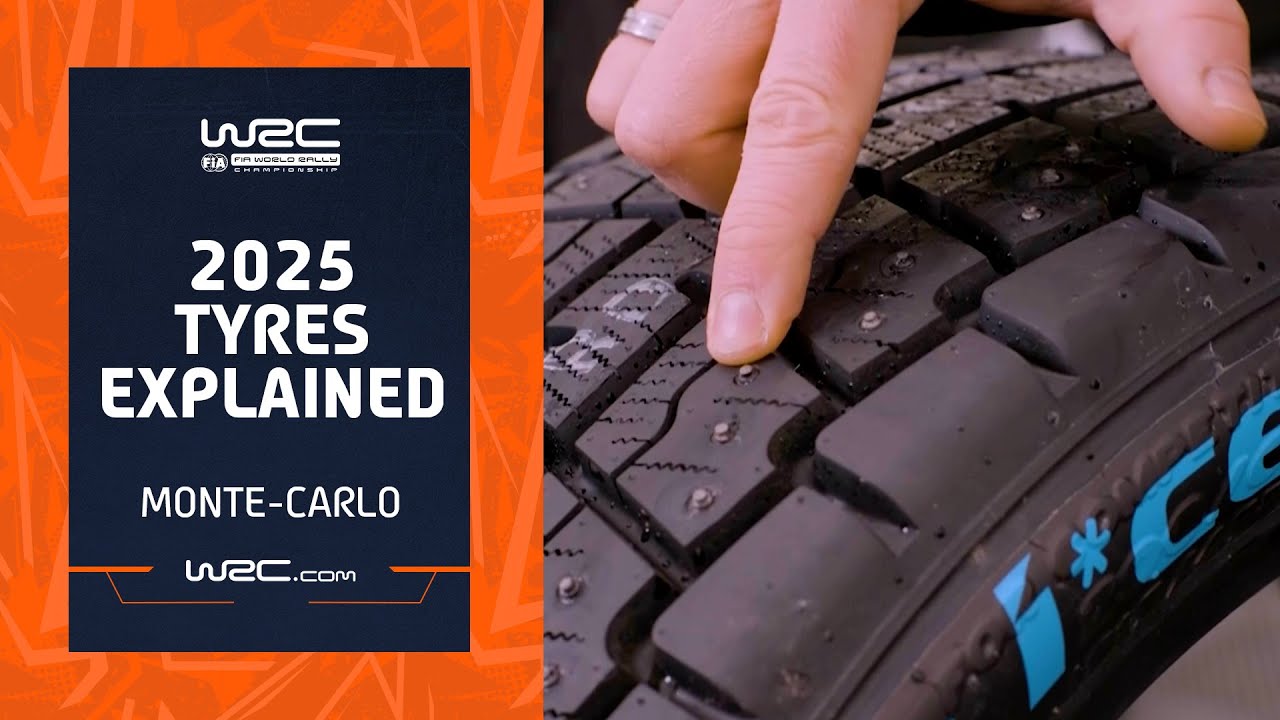
The worry centres on the hard compound after questions over its toughness in Portugal. Hankook has brought a tweaked construction for crews to try in Greece, framing the Portugal experience as "an opportunity" and insisting it is working "all hands on deck" to adapt in time. Rally1 crews can run up to 32 hard tyres and eight softs across the weekend.
The sensitivity is understandable. Twelve months ago the Acropolis produced one of the angriest tyre disputes of the Hankook era, when Thierry Neuville tore into the product after a spate of punctures dropped him from the lead to eighth.
"The tyres are not on the level. If you see why we puncture, it's just insane," Neuville said at the time. "Playing on that level with such a product is not possible. We get punished all the time for nothing, it's not fun. It's just luck that decides."
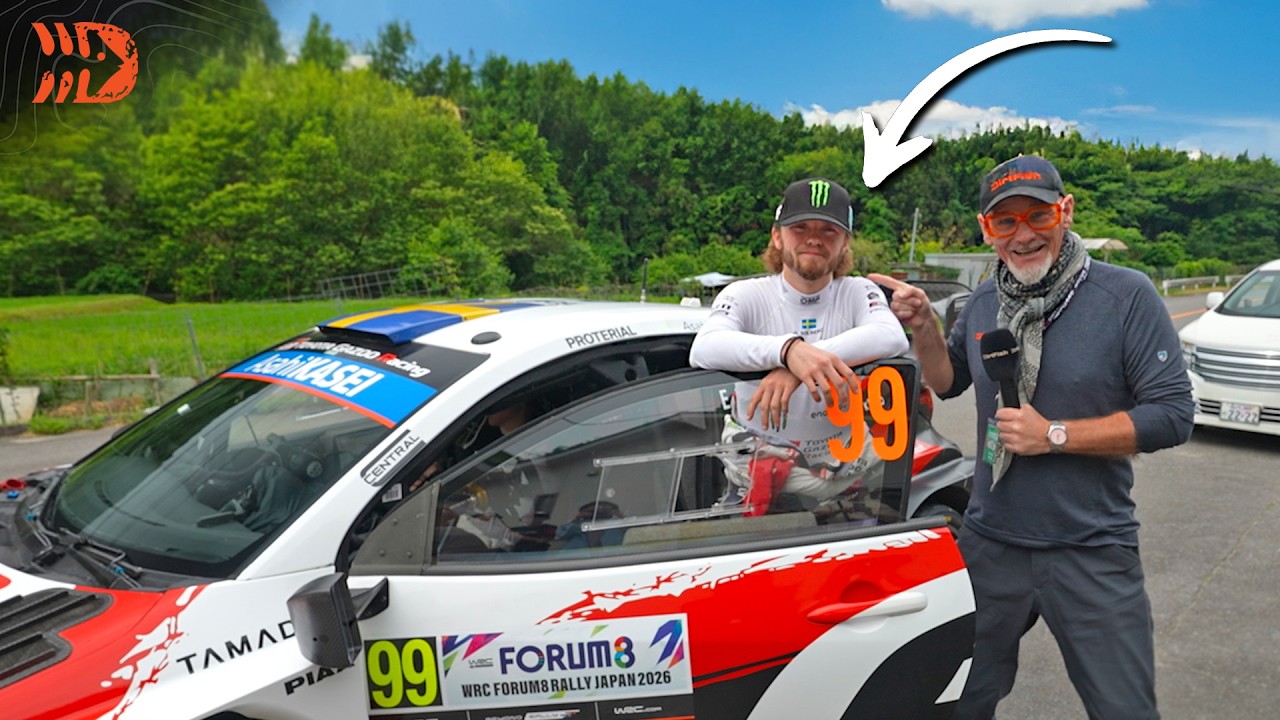
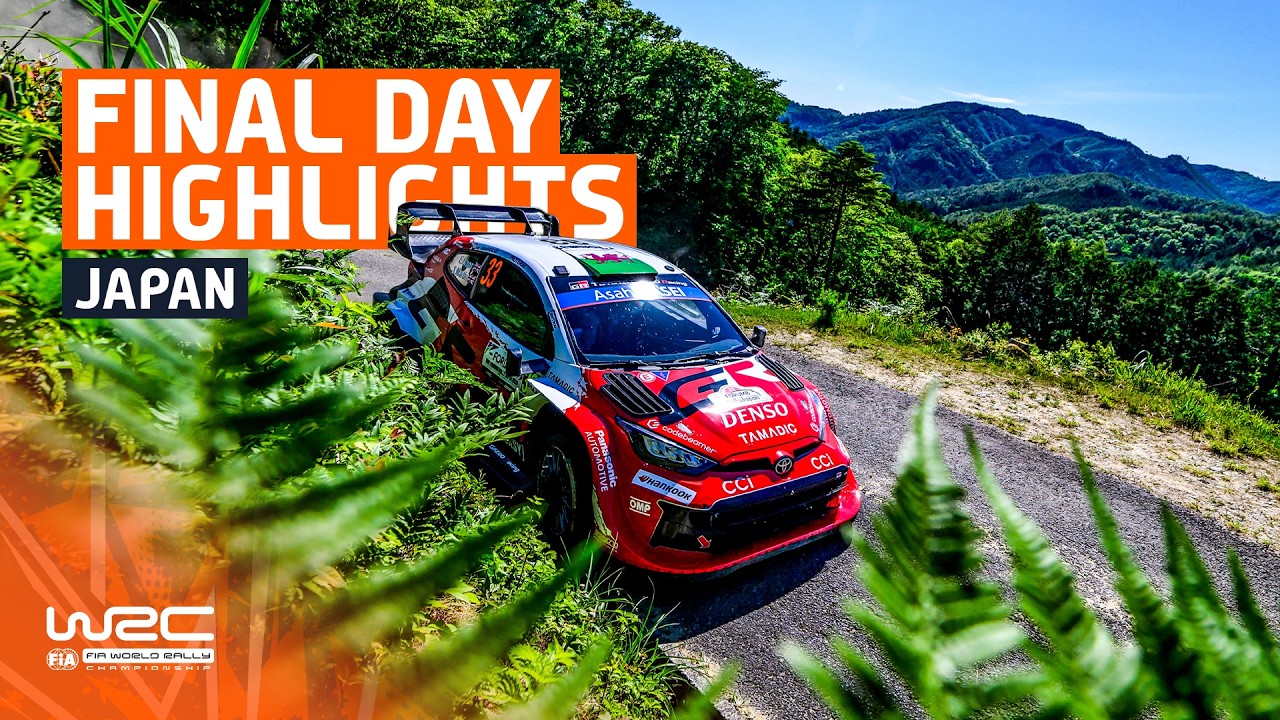
Hankook will point to more recent evidence in its favour. On the smooth tarmac of Rally Japan, the company reported its Ventus tyre delivering consistent performance through changeable conditions, a very different test to the abrasive Greek gravel that shreds rubber and rims alike.
That contrast is exactly the problem. Tarmac reliability counts for little when the Acropolis serves up bedrock ruts, searing track temperatures and stage-long abuse that exposes any weakness in a casing. The concerns this time are squarely about durability through a full stage, wear rates and puncture resistance.
With the championship fight finely poised, no leading crew can afford to gamble a result on rubber that lets go without warning. Hankook's move to test a revised hard compound before the event, rather than react to failures during it, suggests the supplier has learned from last year's backlash. Whether the new specification holds up under the Greek sun will only become clear once the stages turn hot and the rocks start flying.
---