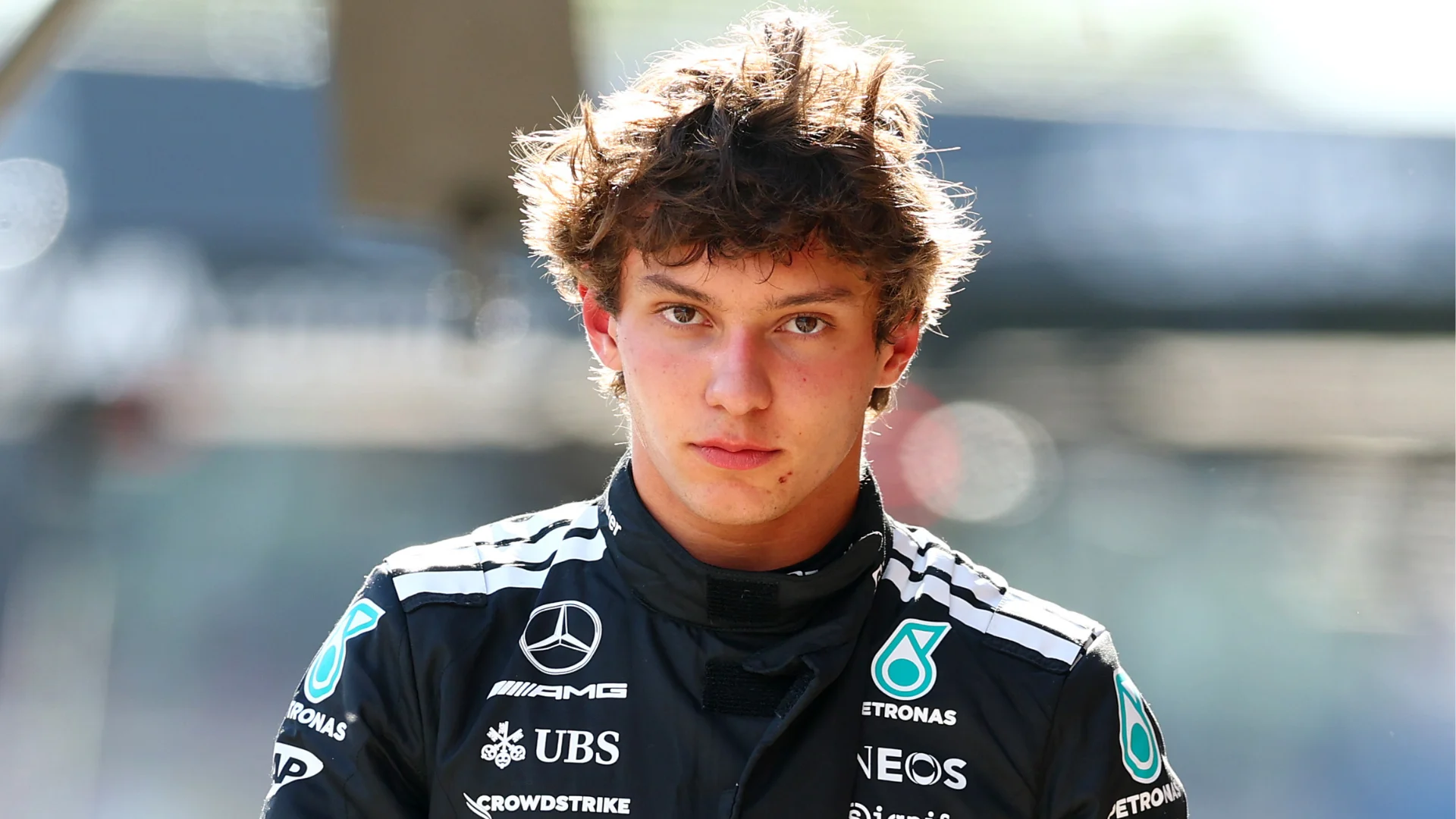
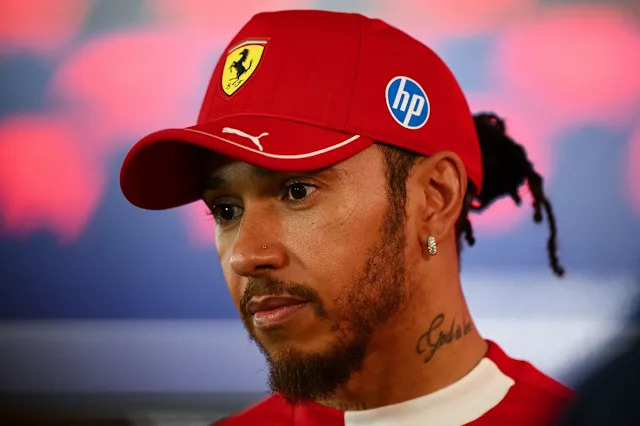
For 18 months the defining feature of Lewis Hamilton's Ferrari move was a radio relationship you could hear straining in real time. After his finest weekend in red at the Canadian Grand Prix, the airwaves have fallen quiet for encouraging reasons — and Monaco will decide whether the repair holds.
The breakdown played out in public. His first Ferrari season delivered a catalogue of terse exchanges, including the much-replayed "have a tea break while you're at it" during a muddled team-orders sequence, and questions that went unanswered on live broadcast. Having left a near-telepathic partnership behind to gamble on Ferrari, Hamilton found the communication that should have been instinctive simply would not gel.
Ferrari responded by reshuffling his pit wall and installing a new race engineer for 2026 — a low-key change that has proved significant. In Montreal it yielded second place, with Hamilton out-qualifying Charles Leclerc in both the sprint and the Grand Prix before passing Max Verstappen into the first corner late on and holding firm.
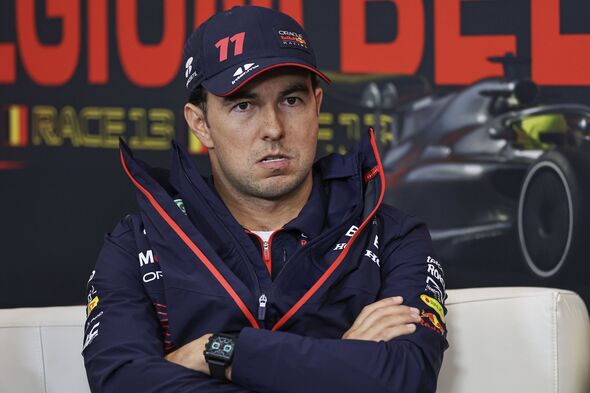
His words afterwards marked the real shift. Hamilton said he finally has the engineering team he has been working towards, called his engineer "absolutely awesome," and said he is "really loving working with him." He described feeling "very light right now, mentally in a good place," and called it the happiest day of his Ferrari career so far.
There is a complication worth keeping in view. Several paddock analysts suspect the original tension stemmed not from the engineer but from strategy calls made elsewhere — meaning the cure was structural as much as personal. The radio is audible; the decision-making behind it is not.
The technical case for optimism is real too. The 2026 cars have shed the stiff ground-effect traits that worked against Hamilton's late-braking style, and the adjustable SF-26 now suits the way he attacks a corner. But caution is warranted: Montreal and Shanghai, his two 2026 high points, are circuits where Leclerc historically struggles. Across other tracks the team-mates have been far closer, with Leclerc often the sharper. Two favourable venues in four races is no proof the old Hamilton is fully back.
Monaco is the examination. Shifted later in the recalibrated calendar, it is the one place where engine power barely matters and where trust in every radio message is everything — a late call costs the race, not a tenth. It is also a Leclerc stronghold, raising the bar further.
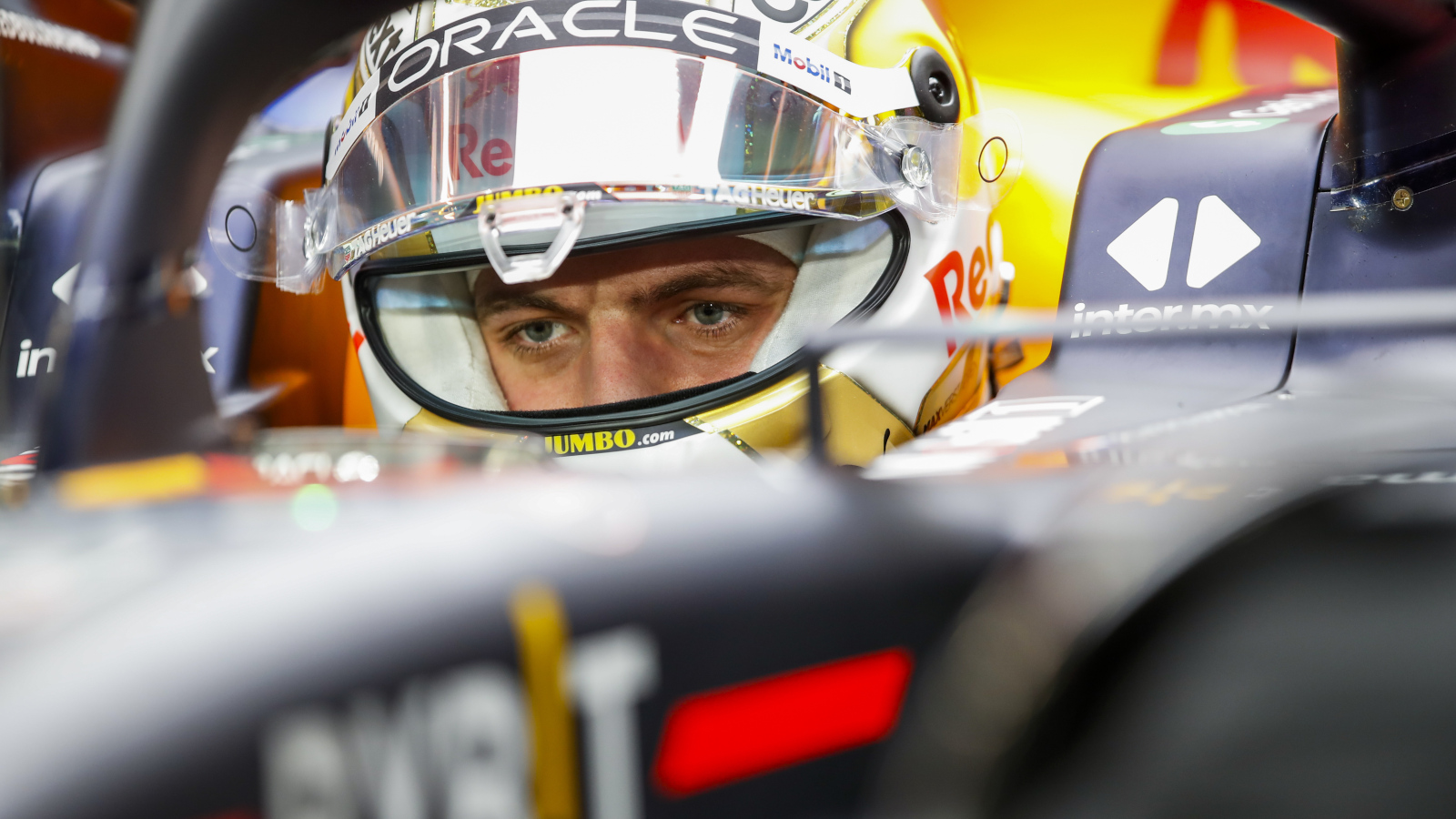
The standings keep it grounded. Ferrari lie a distant second to a dominant Mercedes, whose Kimi Antonelli leads the drivers' title after a run of wins, and Hamilton has been candid that the engine is the project's ceiling. A flawless partnership lifts a fifth into a podium; it does not make a second-best car the quickest. Even so, Hamilton arrives in Monte Carlo with total faith in the voice in his ear for the first time in red — on the circuit built to reward exactly that.
---