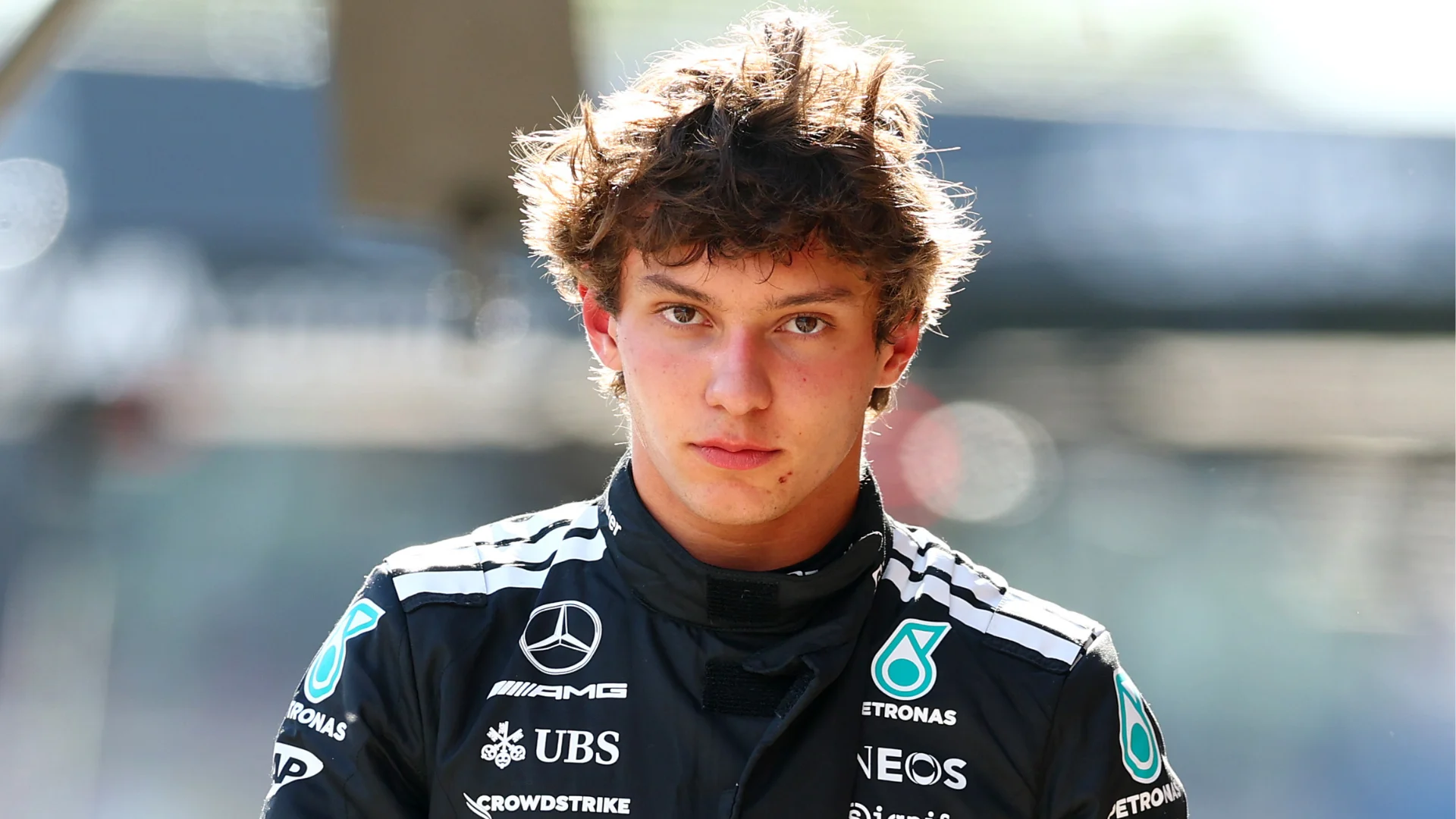

As Formula 1 prepares to return to the streets of Monte Carlo, Sky F1 commentator and former grand prix driver Martin Brundle offered a reminder of why Monaco remains the sport's most singular weekend — and why, for all the technical revolutions in between, the fundamental character of the race has barely shifted since he was wrestling cars around the barriers in the 1980s.
For Brundle, the rhythm of a Monaco weekend is unmistakable, and it front-loads the drama. "Monaco is usually about qualifying day, isn't it? That's the most exciting thing," he said. "And race day is a bit of a game of chess unless it rains or there's a timely safety car."
It is a pattern he does not expect to change, no matter how the cars evolve. "I don't think that'll change a whole lot, because it's been the same since when I raced there in the 1980s," he said. "It was exactly the same with any iteration of Formula 1 cars that we've had."
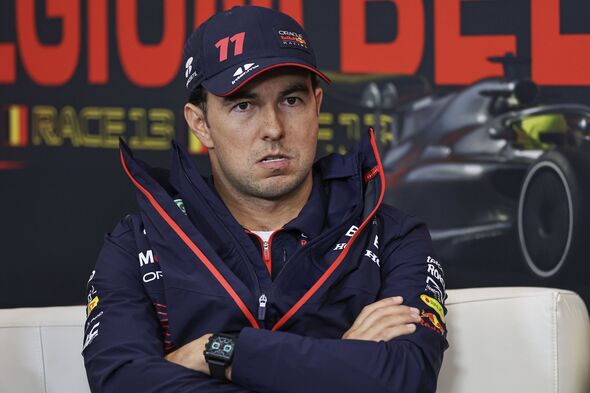
What has changed, profoundly, is the physical toll. Brundle's recollection of driving the principality in his era is visceral — a portrait of a brutally demanding circuit before modern conveniences took the edge off the workload.
"In those days it was hugely physical," he said. "We'd change gear about 3,000 times in the race. You used to have blood pouring out the palm of your hands. We'd tape our hand with duct tape to try to help it, or some plasters or something like that. But we didn't have power steering or anything like that, so the cars were super physical."
The mental strain was just as relentless. Around a track where there is no margin for error, the consequences of a single lapse are immediate and final. "It was just — you'd be going into the race thinking, this is tough, it's relentless, and one mistake and you're out of the Grand Prix," Brundle recalled.
He even captured the small, deflating moments that defined the grind, recounting the sight of a pit board that punctured any illusion of progress. "Then you'd come past the pits and they would show you a pit board that said 50 laps to go, and you're like, you are kidding me — thought we were halfway there already."
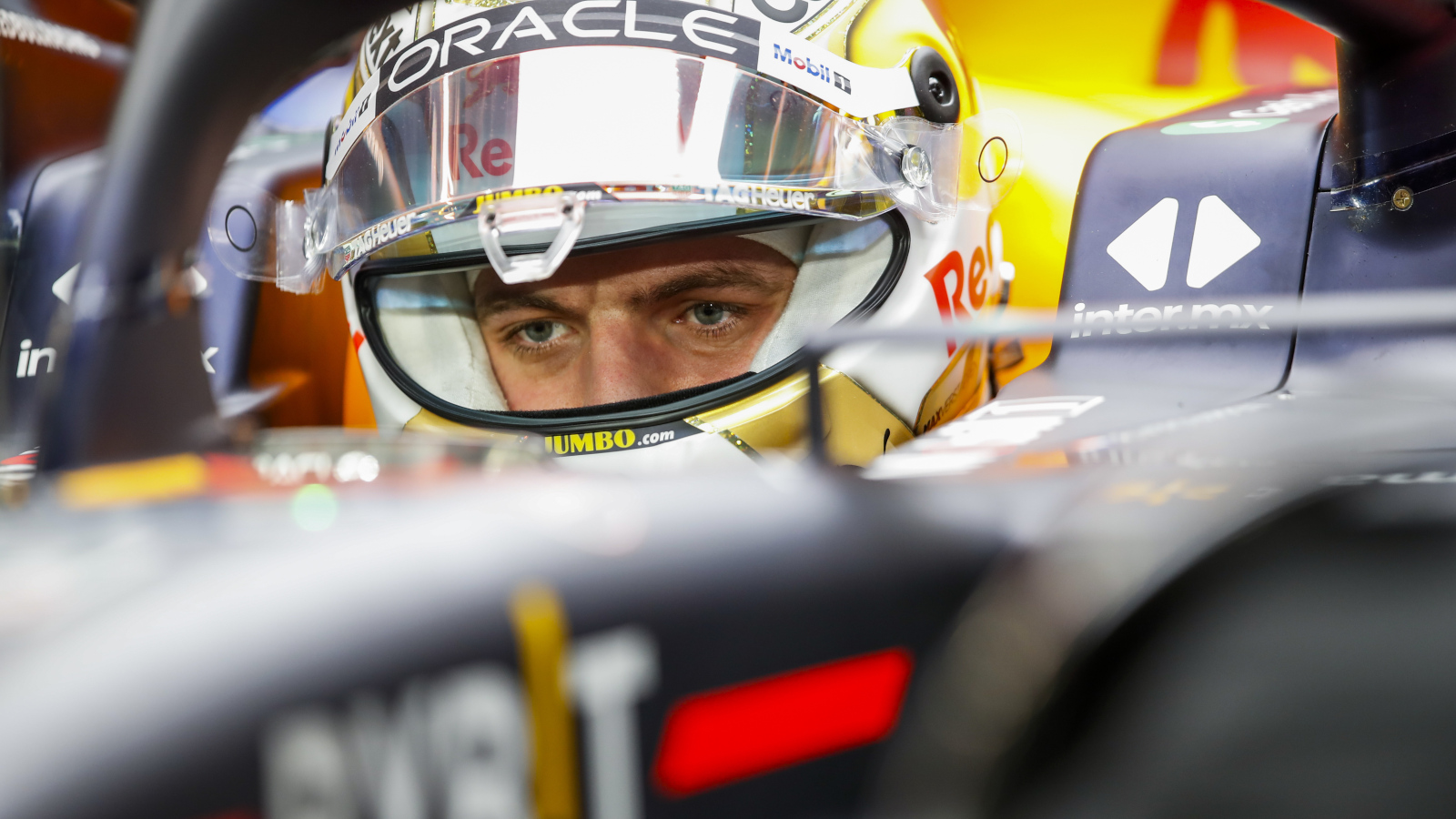
Brundle's verdict, delivered with the weary affection of someone who has lived it, was simple. "It's tough. It was tough back then. It's tough in anything that is so fast."
His reflections land at a fitting moment. The 2026 cars are faster, safer and infinitely more sophisticated than the machines he drove, and power steering long ago spared drivers the bloodied palms he describes. Yet the essential test of Monaco endures: extract everything in qualifying, because track position is sovereign, then survive Sunday's chess match without putting a wheel wrong.
That is precisely why the weekend rewards a particular kind of driver — one who can place the car within inches of the wall, lap after lap, with total commitment and zero room for hesitation. The technology has transformed almost every aspect of the sport since Brundle's day. But the demand Monaco makes of those who race there, as he tells it, is timeless.
---
*Originally published on [Newsformula One](https://newsformula.one/article/martin-brundle-monaco-physical-demands-qualifying-2026). Visit for full coverage.*